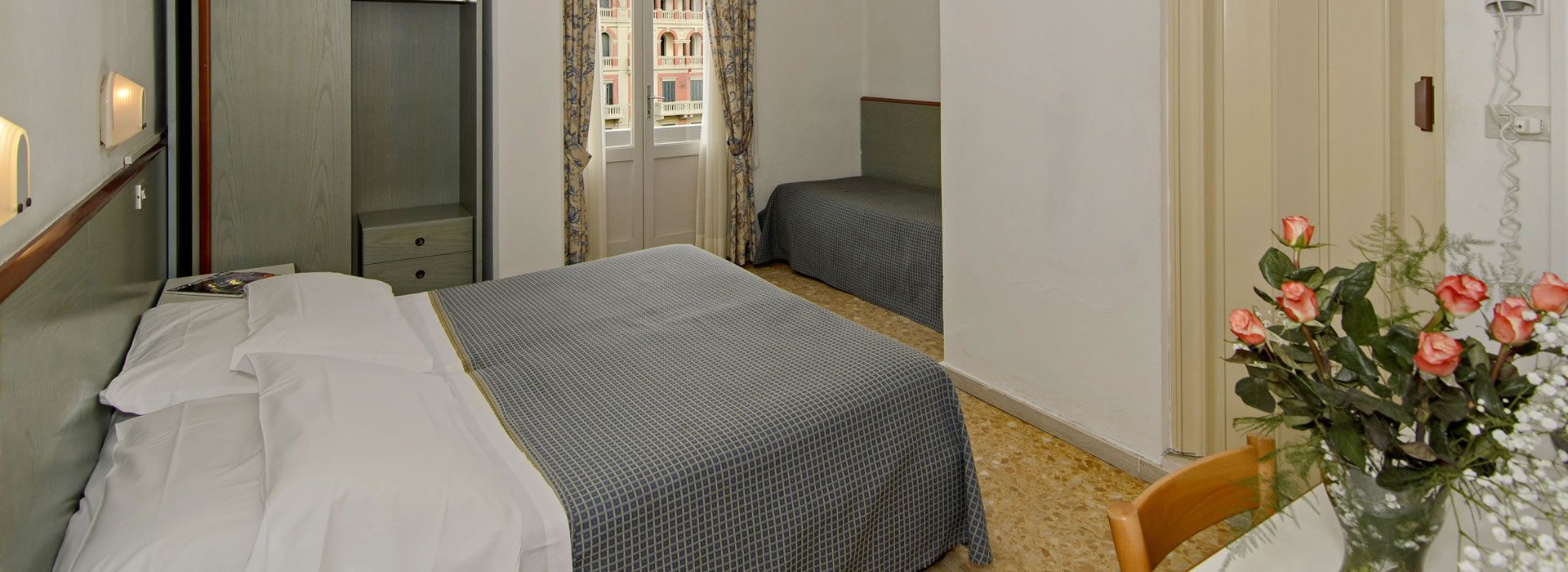
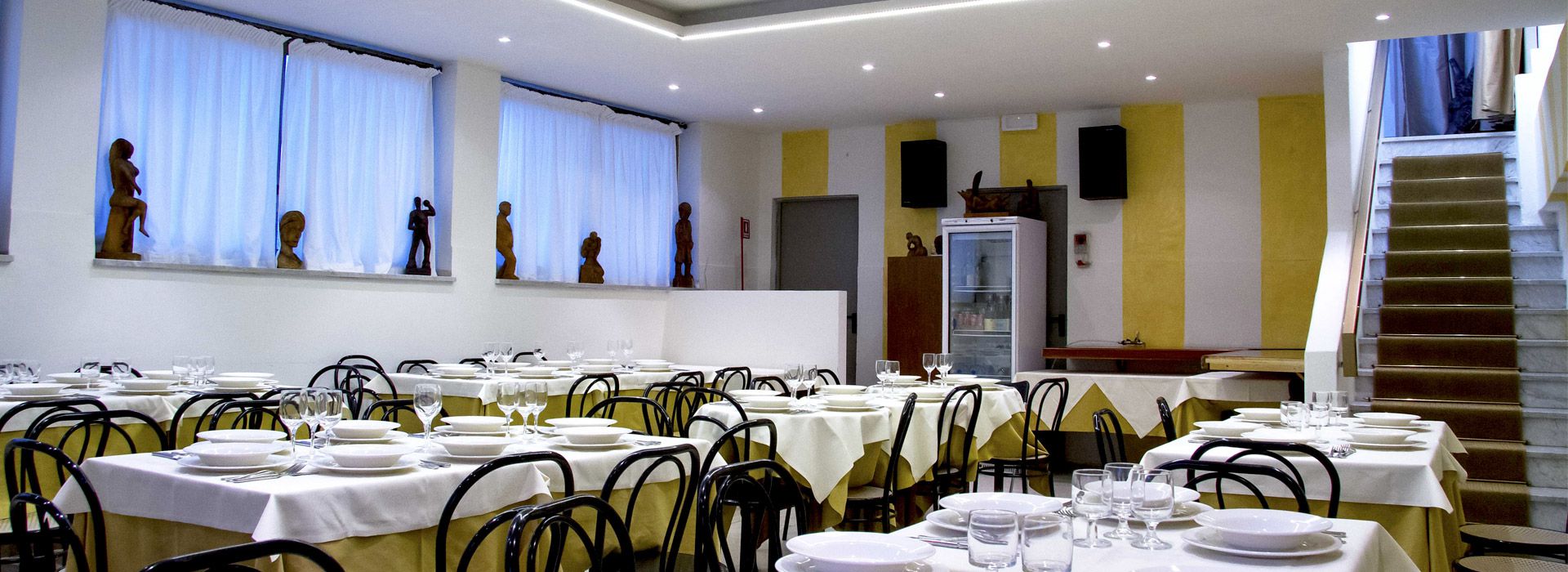
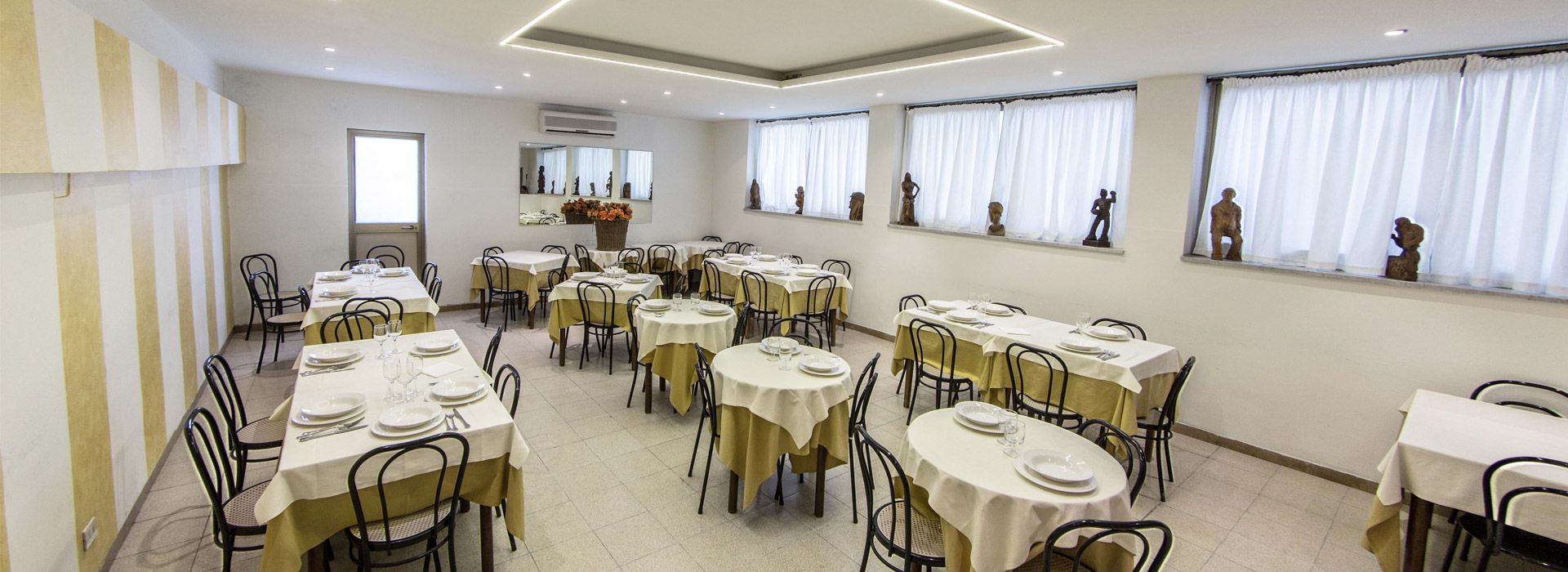
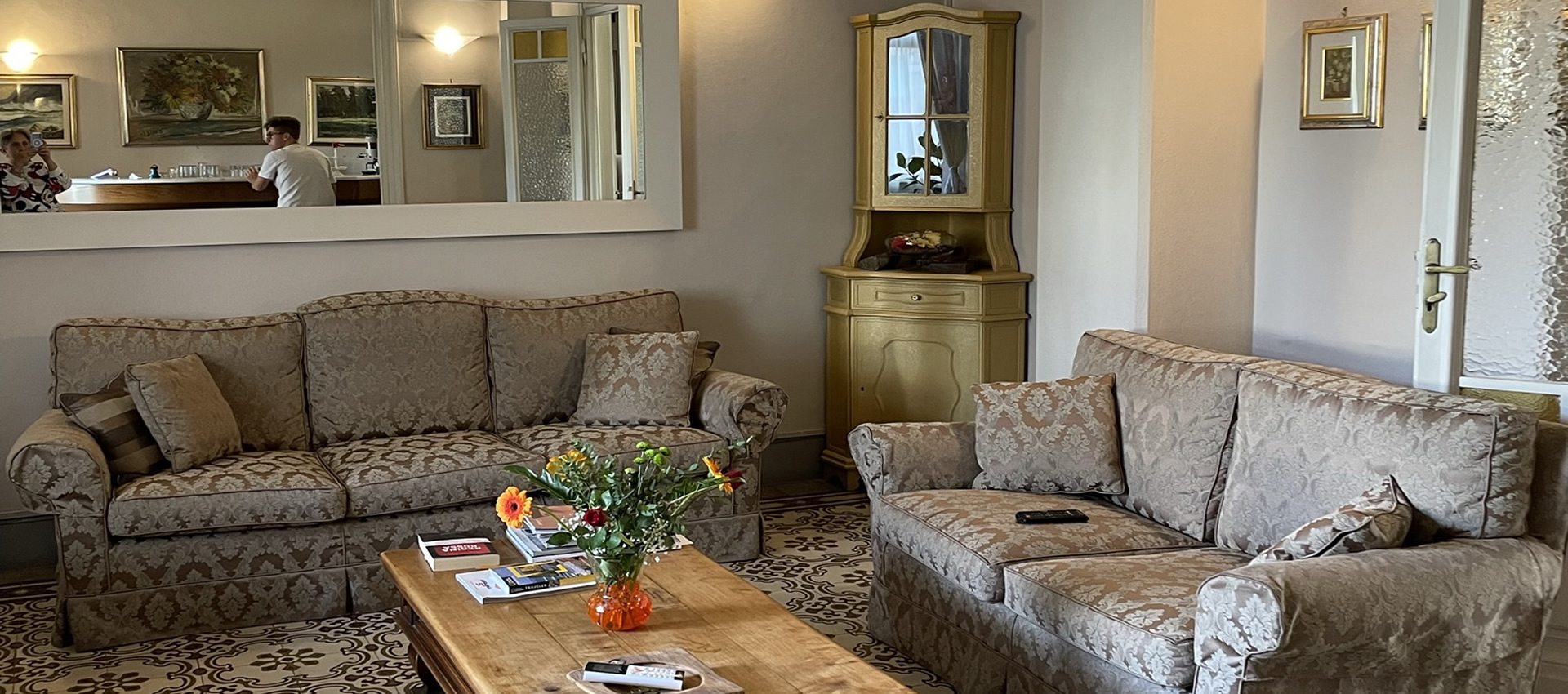
hotel 3 star at Viareggio - The Hotel Lukas is in the centre of Viareggio, in the main and more important plaza in town, at 50 mt from the beach. You may park your car in front of the hotel or in the street near by.





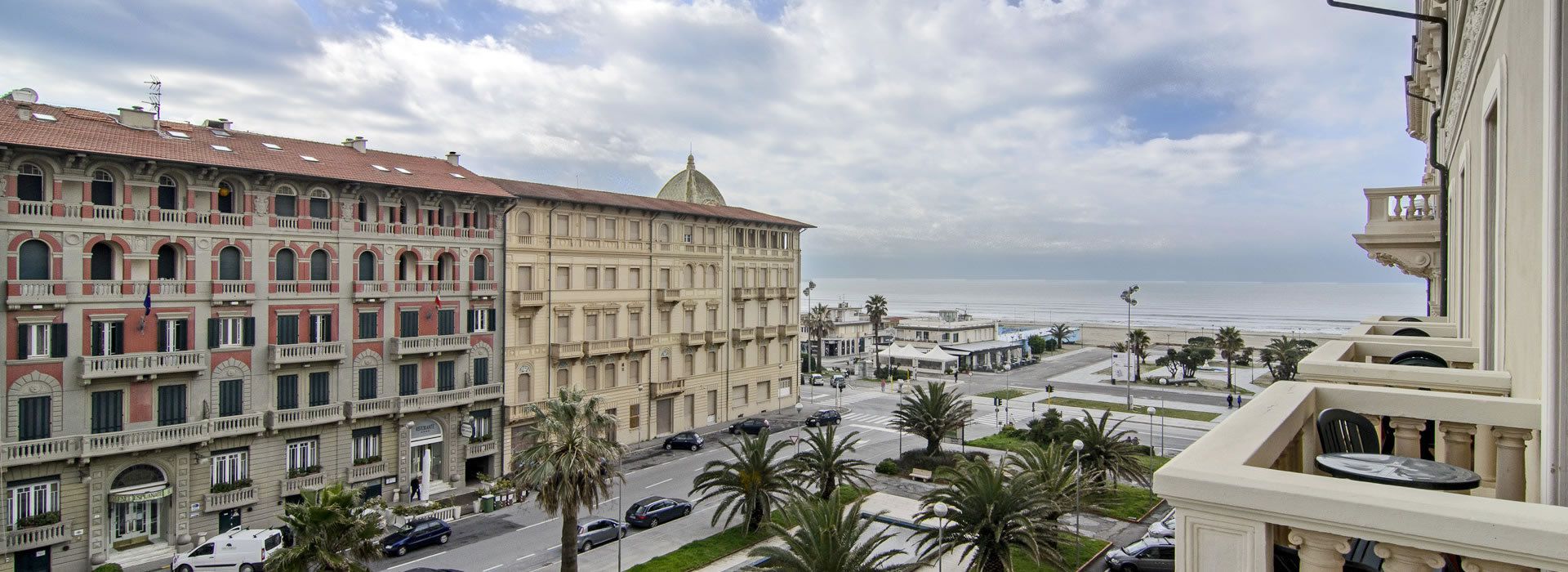
Discovering the Authentic Side of Versilia
When you think of a holiday in Versilia, the first image that often comes to mind is the sea: Viareggio's long sandy beach, its seafront promenade, pinewoods and lively atmosphere.
But Versilia does not end where the coastline begins.
Just inland from Viareggio lies a surprisingly varied landscape of green hills, historic villages, ancient churches, elegant villas, walking trails and small communities where life seems to move at a slower pace. These are places that often remain outside the most popular tourist itineraries, yet they offer a wonderful opportunity to discover a different side of Tuscany.
This is the Versilia we love to talk about: the Versilia of leisurely walks, winding roads leading into the hills, little villages waiting to be explored and traditions that are still part of everyday life.
Viareggio is ideally positioned for discovering this side of the region. From the coast, you can easily reach many inland towns and villages and plan day trips that reveal landscapes and experiences that are completely different from one another.
In this guide, we have selected 7 villages and places to discover near Viareggio, perfect for anyone who would like to combine time by the sea with history, nature and local traditions.
Don't expect only famous monuments or major attractions. Some of these places are appealing precisely because of their simplicity: a little square, an old church, a narrow street, a panoramic view of the Apuan Alps or a small restaurant serving traditional Tuscan flavours.
And perhaps this is one of the loveliest experiences you can have during a holiday in Viareggio: leaving the coast behind for a few hours and allowing yourself to discover a quieter, more authentic side of Tuscany.
Among the places to visit near Viareggio, Camaiore is certainly one of the first we would recommend.
Its location is particularly appealing: close enough to the coast to be easily reached during a seaside holiday, yet already surrounded by a landscape of hills, olive groves and small villages that reveals another side of Versilia.
Camaiore is ideal for anyone who wants to spend a few hours exploring without following a rushed itinerary. Its historic centre is perfect for a leisurely stroll among historic buildings, charming squares and streets that still preserve the character of the past.
What to See in Camaiore
The best place to start is the historic centre, where many of the town's most important landmarks are concentrated.
One of Camaiore's best-known landmarks is the Collegiate Church of Santa Maria Assunta, overlooking the town's main square. Dating back to the medieval period, the church is one of the area's most significant religious buildings and a good starting point for discovering the history of Camaiore.
A short distance away stands the Abbey of San Pietro, one of the most interesting places for understanding the town's historical importance as a place of passage. Its history is also connected with the Via Francigena, the ancient pilgrimage route that crossed Tuscany and still attracts walkers and pilgrims today.
While exploring the centre, don't limit yourself to the main sights. Camaiore is best appreciated by taking in the details: the façades of the buildings, the smaller streets, the squares and the quieter corners.
It is a place that encourages you to slow down.
Camaiore and the Via Francigena
The connection with the Via Francigena is one of the most fascinating aspects of Camaiore.
For centuries, the area formed part of one of the ancient routes travelled by pilgrims, merchants and travellers making their way towards Rome.
Today, this heritage continues to shape the identity of the area and makes Camaiore particularly interesting for anyone who enjoys slow tourism and walking itineraries.
You don't have to be a pilgrim or an experienced walker to appreciate its atmosphere. Even a short stroll through the historic centre allows you to sense the connection between Camaiore and this ancient route.
For those who enjoy walking, the surrounding countryside also offers opportunities to combine culture and nature, gradually leaving the town behind and heading towards the hills.
The Hills Around Camaiore
One of the reasons we recommend including Camaiore in an itinerary exploring the villages near Viareggio is the landscape surrounding the town.
The hills of Versilia are characterised by olive groves, small settlements, panoramic roads and ancient rural villages.
It is a landscape very different from the coast, but no less representative of Versilia.
Among the places worth discovering in the area are Montebello, Monteggiori and Pieve di Camaiore, small villages where you can experience a quieter and more authentic atmosphere.
In particular, Monteggiori is one of those places we recommend to anyone who enjoys getting off the beaten track. Perched on the hills, it offers beautiful views across the Versilian landscape and gives you a real sense of just how varied the territory surrounding Viareggio can be.
When to Visit Camaiore
Camaiore can be visited throughout the year, with each season offering a different experience.
Spring is particularly pleasant for walks through the hills and for enjoying the fresh green landscape of Versilia. Summer is ideal for combining a morning by the sea with an afternoon inland, when temperatures can be more comfortable than during the hottest hours on the coast.
Autumn is perfect for those who enjoy the colours of the countryside and traditional Tuscan seasonal produce, while winter offers the chance to experience the area at an even slower pace.
If you are staying in Viareggio, Camaiore is therefore an easy destination to include even in a holiday focused mainly on the seaside.
A Break Between the Sea and the Hills
One of the things we love most about Versilia is precisely this possibility: beginning the day walking along Viareggio's seafront and, in a short time, finding yourself surrounded by green hills.
Camaiore perfectly represents this balance.
It is close enough to visit without necessarily dedicating an entire day to the trip, yet different enough to make you feel far removed from the coast.
For this reason, we particularly recommend it to anyone who wants to experience Versilia beyond the sea, combining relaxation, culture, walking and discovering the local area.
And after Camaiore, the road towards the inland continues. Our next stops will take us closer to the Apuan Alps, where we will discover more small villages and places that reveal an even quieter and more authentic side of Versilia.
Leaving Camaiore and heading inland towards the heart of Versilia, the landscape gradually begins to change. The hills become higher, the mountains draw closer, and the white marble of the Apuan Alps becomes an increasingly striking presence.
This is where we find Seravezza, one of the most interesting places to visit near Viareggio.
Seravezza is best known for its connection with marble and the Medici family, but its appeal goes far beyond its history. It is a place where art, nature and local traditions come together, making it a lovely stop during a journey through the lesser-known side of Versilia.
What to See in Seravezza
The best place to begin is the town centre, crossed by the Serra River and characterised by a peaceful, intimate atmosphere.
The most important landmark is undoubtedly the Medici Palace of Seravezza, built in the 16th century at the request of Cosimo I de' Medici.
The palace was constructed in connection with the exploitation of the area's natural resources, particularly marble, which was already one of the great riches of the Apuan mountains at the time.
Today, the Medici Palace is one of the area's main cultural venues and hosts exhibitions and events. Its history tells us a great deal about the relationship between the Medici family, the Apuan Alps and the marble industry that developed in this part of Tuscany.
Seravezza, like Pietrasanta, offers an insight into just how deeply art and marble craftsmanship are connected to the history of Versilia. If this aspect of the region interests you, you can continue your journey with our guide to what to see in Pietrasanta in one day from Viareggio, where art, sculpture and tradition have left an even more visible mark.
Marble and the Apuan Alps
Marble is not simply a raw material in Seravezza: it is part of the town's identity.
For centuries, the mountains surrounding the town have been an important source of marble, and the landscape still bears the marks of this activity.
Looking towards the Apuan Alps, it is easy to understand why this area has attracted artists and sculptors throughout the centuries. Marble from the Versilian mountains is closely associated with Tuscany's great sculptural tradition.
For visitors, this also means having the opportunity to observe a landscape where nature and human activity have coexisted for centuries.
This is one of the characteristics that makes inland Versilia so fascinating: we are not simply looking at a natural landscape, but at a territory shaped by centuries of history, work and local traditions.
Seravezza for Art and Culture Lovers
Seravezza is particularly interesting for anyone who enjoys art, architecture and the history of Tuscany.
The Medici Palace is naturally the main attraction, but the town and the surrounding area are worth exploring at a leisurely pace.
The area is also closely connected with the artistic tradition of Versilia, which finds one of its most distinctive expressions in nearby Pietrasanta.
For this reason, it is easy to plan an art-focused day combining the two towns, perhaps setting off from Viareggio in the morning.
If, on the other hand, you would like to combine culture, seaside scenery and a leisurely stroll, you can continue towards the coast and reach Forte dei Marmi. In our guide to Forte dei Marmi in one day from Viareggio, we explore a different side of Versilia, with its beaches, historic villas, elegant streets and shopping.
Seravezza, Pietrasanta and Forte dei Marmi are therefore three very different destinations that can easily be combined during a holiday in Versilia.
If Seravezza tells the story of marble and the Medici family, Stazzema takes us even closer to the mountains.
The municipality stretches across a landscape of woods, valleys and small villages at the foot of the Apuan Alps.
It is an ideal destination for anyone staying in Viareggio who would like to spend a day surrounded by nature and discover a completely different side of Versilia.
Here, the pace changes.
The roads become narrower, the landscape greener, and the sounds of the city give way to those of nature.
Sant'Anna di Stazzema
One of the best-known places in the area is Sant'Anna di Stazzema, a village associated with one of the darkest chapters in Italy's 20th-century history.
It is home to the Peace Park, established to preserve the memory of the victims of the massacre of 12 August 1944.
A visit here is naturally very different from visiting an ordinary tourist attraction. This is a place of remembrance, to be experienced with respect and awareness.
The Historical Museum of the Resistance and the memorial monument help tell the story of what happened and provide an important testimony to the recent history of Versilia.
If you choose to visit Sant'Anna di Stazzema, we therefore recommend allowing enough time not only to appreciate the landscape, but also to learn about its history.
The Small Villages of Stazzema
The municipality includes numerous small villages and hamlets, often clustered around churches, old stone houses and roads following the contours of the mountains.
Among them are Farnocchia, Pomezzana, Cardoso, Pruno and Volegno.
They are very different from the coastal resorts and are precisely for this reason worth discovering.
Farnocchia, in particular, is a lovely stop for anyone wishing to experience a quieter, more authentic side of Versilia. Its houses, narrow streets and surrounding landscape offer a glimpse into traditional life in the Apuan mountains.
Pruno and Volegno, meanwhile, are especially popular with walkers and hiking enthusiasts.
You don't come here simply to visit a monument. You come to walk, take in the scenery and experience a different atmosphere.
Stazzema and Outdoor Activities
The Stazzema area is one of the most interesting parts of Versilia for hiking and outdoor activities.
The Apuan Alps offer numerous trails, but it is important to choose routes according to your experience, the season and the weather conditions.
Not every hike is suitable for everyone, and some routes require a good level of physical fitness.
If you are not an experienced hiker, however, there is no need to take on a demanding trail.
Even a gentle walk through the villages and surrounding countryside can be enough to experience a completely different side of Versilia.
This is also why Stazzema fits so naturally into an article about villages near Viareggio: it allows you to discover not just one village, but an entire landscape shaped by small communities, mountains and local traditions.
A Side of Versilia Far from the Sea
After visiting Viareggio, Pietrasanta and Forte dei Marmi, travelling as far as Stazzema means seeing the region from a completely different perspective.
The Versilia you discover here is the Versilia of the Apuan Alps, forests, mountain roads and small villages.
We particularly recommend it to anyone who would like to combine a seaside holiday with time spent in nature and discover a less familiar side of the region.
And this variety is precisely what makes Versilia so special: within a relatively small area, you can move from beaches to mountains, from art cities to tiny villages, and from the lively atmosphere of the coast to the peacefulness of the inland countryside.
From the mountains of Stazzema, we return to a gentler side of Versilia, characterised by rolling hills, olive groves, small villages and stretches of water.
Just a few kilometres from Viareggio lies Massarosa, an area that is particularly interesting for anyone who wants to discover a lesser-known side of coastal Tuscany.
Here, the landscape is the main attraction. The hills around Massarosa alternate with wetlands, cultivated fields and small settlements, while a little further north lies one of the most important natural environments in the area: Lake Massaciuccoli.
It is an ideal destination for a different kind of day out, especially for anyone who enjoys nature, photography and walks in the open air.
Lake Massaciuccoli
Lake Massaciuccoli is one of the most distinctive places to visit near Viareggio.
The landscape is very different from the coast: water, reed beds, wetlands and surrounding hills create a peaceful and evocative setting.
The lake is also closely associated with Giacomo Puccini, who chose Torre del Lago as one of his favourite places to live and work.
If you are staying in Viareggio and have an interest in music and culture, it is therefore well worth combining a visit to Lake Massaciuccoli with Torre del Lago Puccini, where you can discover places connected with the composer's life as well as the famous open-air theatre dedicated to his works.
Nature Around the Lake
One of the loveliest things to do is simply to take in the lake without rushing.
The area is characterised by a rich ecosystem, with reed beds and wetlands providing an important habitat for numerous bird species.
This makes the area particularly appealing to birdwatchers and nature photographers.
Walking through the accessible areas allows you to immerse yourself in a peaceful environment that feels very different from the lively atmosphere of the coast.
This contrast is precisely what makes Lake Massaciuccoli so appealing: within just a few kilometres, you can move from the energy of Viareggio to a landscape where time seems to slow down.
Massarosa and Its Small Villages
The Massarosa area is about much more than the lake.
The municipality includes a number of small villages and hilltop settlements, some of which are well worth visiting for their peaceful atmosphere and views over the countryside and towards the sea.
Among them are Bargecchia, Corsanico, Gualdo, Mommio Castello and Montigiano.
These are places to explore without rushing, perhaps as part of a scenic drive through the hills.
In Corsanico, for example, the Parish Church of San Michele Arcangelo is worth seeing, while Mommio Castello still retains the atmosphere of a small hilltop village.
They may not be destinations for a traditional sightseeing itinerary, but they can become delightful stops for anyone who wants to experience a more authentic side of Tuscany.
Massarosa and Slow Tourism
Massarosa is particularly well suited to slow tourism.
There is no need to fill the day with dozens of attractions. Choose a walk, stop to admire the landscape, visit a small church or village, and give yourself time to simply observe your surroundings.
It is a way of travelling that fits perfectly with a holiday in Versilia.
After a day spent on Viareggio's beach or exploring one of the region's art cities, spending a few hours in nature can be a wonderful way to slow down and change pace.
And for those who enjoy plant-based cuisine, the Tuscan countryside also offers plenty of opportunities to discover simple, seasonal ingredients: pulses, vegetables, grains, herbs and produce from the garden are all part of a culinary tradition that can also be interpreted through vegetarian and vegan cooking.
Among the lesser-known places we can include in an itinerary exploring villages near Viareggio is Montemagno.
This small hilltop village in the municipality of Camaiore is perfect for anyone looking for an experience away from the region's busier tourist destinations.
You won't find major tourist attractions or monumental sights here. Montemagno's charm is much more understated and reveals itself as you slowly wander through its streets.
A Village to Discover at Your Own Pace
Arriving in Montemagno, you immediately get the feeling of having stepped into a different kind of Tuscany from the one found in the art cities.
The small historic centre retains its medieval character, with narrow and intimate streets.
Its position in the hills also provides beautiful views over the surrounding countryside, with woods, olive groves and small settlements stretching into the distance.
This is one of those places where it is worth leaving the car behind and simply starting to walk.
Look at the old stone houses, follow the narrow streets and pause in the small squares. There is no need for a rigid itinerary: the village is best enjoyed slowly.
Montemagno Castle
The name of the village itself recalls its medieval past.
The presence of Montemagno Castle is a reminder of the strategic importance this area once had.
Although only traces of the old fortified structure remain, they help tell the story of the village and its role within the network of castles and fortifications that once characterised the hills of Versilia.
This is what makes a visit so interesting: behind a seemingly quiet little village lies a much longer and more complex history.
Montemagno and the Hills of Versilia
A visit to Montemagno can easily be combined with a wider itinerary through the hills around Camaiore.
If you have not yet explored Camaiore's historic centre, you could plan a day that includes both places. In our guide to what to see in Camaiore, we explore the main sights in the town centre and its connection with the Via Francigena.
This allows you to combine history, small villages and countryside without having to travel long distances.
When to Visit Montemagno
Montemagno is enjoyable throughout the year, but spring and autumn are particularly pleasant seasons for exploring the surrounding hills.
In spring, the countryside is lush and bright, while in autumn the changing colours of the vegetation make drives and walks through the countryside especially atmospheric.
During summer, it can be a good idea to arrive later in the afternoon, after spending the hottest part of the day on the coast.
This is one of the advantages of staying in Viareggio: you can organise your days around a combination of sea, villages and hills without having to change accommodation every night.
Montemagno is therefore an ideal stop for anyone who wants to slow down, take in the scenery and discover a lesser-known side of Versilia.
And our journey through the villages does not end here. In the next section, we will climb a little higher towards Farnocchia, one of the small villages in the Apuan Alps where nature and local heritage come together.
6.Farnocchia: A Small Apuan Village Where You Can Slow Down
Leaving the gentler hills of inland Versilia and climbing towards the Apuan Alps, the landscape changes once again.
The roads become more winding, the woods more prominent, and the small villages seem almost hidden among the vegetation.
This is where we find Farnocchia, a small hamlet in the municipality of Stazzema that perfectly represents the lesser-known side of Versilia and is well worth exploring if you have a few extra days during your stay.
This is not a destination to visit in search of grand monuments. Farnocchia is a place to experience slowly, taking in the houses, the narrow streets and the surrounding landscape.
It is the kind of place that can surprise you precisely because it does not try to attract attention.
What to See in Farnocchia
The village centre retains the typical character of the small settlements of the Apuan Alps.
Stone houses, narrow lanes and historic religious buildings tell the story of communities whose lives were closely connected to the mountains, farming and traditional rural activities.
One of the main landmarks is the Church of San Michele Arcangelo, which overlooks the small village and helps define its distinctive character.
As with many villages in the Apuan Alps, however, the real charm is not necessarily found in one particular monument.
It is the whole setting that creates the atmosphere: the silence, the mountains, the houses, the woods and the views that appear as you wander through the village.
Farnocchia and the Mountains of Versilia
Farnocchia can be a pleasant base or stop for anyone wishing to explore the Stazzema area and the surrounding mountains.
The area is crossed by hiking trails and walking routes of varying difficulty, but it is important to choose an itinerary suitable for your experience and to check trail and weather conditions before setting off.
For those who are not experienced hikers, however, there is no need to tackle a demanding route.
Even a gentle walk around the village can offer a completely different perspective on Versilia.
Farnocchia can be included in a wider itinerary dedicated to Stazzema and the villages of the Apuan Alps, together with Sant'Anna di Stazzema, Pruno, Volegno and the other small settlements in the area.
A Different Side of Versilia
Perhaps what makes Farnocchia particularly fascinating is its contrast with Viareggio.
On one side, there is the sea, the beach, the promenade and the lively atmosphere of the city.
On the other, there is a small mountain village where the pace of life is completely different.
And yet both are part of the same region.
This is one of the things we love most about Versilia: the opportunity to enjoy very different experiences during the same holiday without having to travel great distances.
You can spend the morning by the sea and the afternoon in the mountains, or devote an entire day to exploring the villages before returning to the coast for an evening stroll and sunset.
Who Should Visit Farnocchia?
Farnocchia is particularly well suited to anyone who enjoys:
It is less suitable for anyone looking for a destination full of shops, nightlife or major tourist attractions.
And that is precisely its charm.
Farnocchia does not need crowds to be interesting.
For the final stop on our itinerary, we return towards the coast and gradually descend from the mountains.
The landscape changes once again: the Apuan Alps give way to rolling hills and flatter countryside, olive groves alternate with houses, and the sea begins to feel closer again.
This is the area of Capezzano Pianore, a locality within the municipality of Camaiore that offers yet another perspective on Versilia.
It is less well known than Viareggio, Forte dei Marmi or Pietrasanta, but that is precisely what makes it appealing to anyone who wants to discover the area at a more leisurely pace.
The Countryside Around Capezzano Pianore
Capezzano Pianore still has a strong connection with the countryside.
The landscape is characterised by farmland, olive groves and historic villas that reflect the area's rural and aristocratic past.
It is a part of Versilia that is often simply passed through, perhaps while travelling between Viareggio and Camaiore.
But if you slow down and take the time to observe the surroundings, you begin to notice details that tell a different story from that of the seaside resorts.
Here, the relationship with the land is still very much present, and the landscape retains elements of the traditional agricultural heritage of Tuscany.
Historic Villas
One of the most interesting features of the Capezzano Pianore area is the presence of historic villas and elegant country residences, often surrounded by greenery and gardens.
These properties reflect a period when important local families chose the countryside of Versilia as a place for leisure and summer retreats.
The villas, together with rural roads, trees and olive groves, create an elegant yet deeply agricultural landscape.
For this reason, Capezzano Pianore can be particularly appealing to anyone interested in architecture, local history and photography.
Capezzano Pianore and Local Farming Traditions
Traditional Versilian cuisine also has its roots in landscapes like this.
Vegetable gardens, olive groves, orchards and local crops have shaped a culinary tradition based for generations on simple, seasonal ingredients.
For us, as a hotel committed to vegetarian and vegan cuisine, this connection with the land is particularly meaningful.
Plant-based cuisine does not mean giving up tradition. On the contrary, it can be a way of highlighting even more clearly what the land has to offer throughout the seasons.
Vegetables, pulses, grains, fresh herbs, extra virgin olive oil and seasonal produce can all become the protagonists of simple, delicious cuisine that respects the local environment.
Perché scegliere un hotel con colazione vegan per il tuo soggiorno a Viareggio
A Walk Between Countryside and Sea
Capezzano Pianore is a place to experience slowly.
There is no need to plan a long list of attractions. Simply spend a few hours exploring the area, taking in the landscape, and perhaps continue towards Camaiore or the coast.
Its proximity to Camaiore makes it easy to plan a simple itinerary: spend the morning exploring the historic centre and its medieval heritage, followed by a walk through the surrounding countryside and villages.
For those staying in Viareggio, it can also be a short excursion to include in a wider day out.
Why Explore the Small Villages of Versilia?
Farnocchia and Capezzano Pianore are two very different places.
The first takes us into the mountains, among forests and small villages in the Apuan Alps.
The second brings us back towards the coast, among countryside, historic villas and olive groves.
And yet they have something important in common: both offer a chance to discover a more authentic side of Versilia, away from the familiar images of seaside tourism.
This, after all, is why exploring the villages and inland areas is so worthwhile.
You will not always find grand monuments or famous attractions to photograph. Sometimes the most memorable experience is simply a quiet road, a view of the mountains, a small church or a meal prepared with local ingredients.
And perhaps this is the best way to discover a destination: slowly, with curiosity and an open mind.
From Viareggio to the Villages of Versilia: How to Plan Your Itinerary
After travelling through mountains, hills and countryside, it is time to return to our starting point: Viareggio.
Staying on the coast means you can use the city as a base for exploring a wide variety of landscapes and destinations.
There is no need to change hotels every day. You can spend one day at the seaside, another exploring an art city, and another discovering a small village inland.
[INTERNAL LINK → What to See in Viareggio article]
If this is your first time visiting the city, we recommend starting with our guide to what to see in Viareggio, where we have collected the main attractions and experiences not to be missed.
If you only have one day available, you can choose one particular area and focus on it.
For example, you could combine Camaiore and Montemagno, bringing together a historic town centre, rolling hills and a small medieval village.
Another option is to head towards the Apuan Alps and spend the day exploring Seravezza and Stazzema, combining art, history and nature.
If you prefer a more peaceful experience, choose Massarosa and Lake Massaciuccoli, perhaps combining your visit with some of the places associated with Puccini.
And of course, Versilia is also a land of art.
Pietrasanta can be combined with Seravezza for a day dedicated to sculpture, marble and the artistic heritage of the region.
An Ideal Base for Exploring Tuscany
One of the best things about staying in Viareggio is precisely this sense of freedom.
You can wake up to the sound of the sea, enjoy breakfast and then decide whether to spend the day on the coast or set off to explore the inland countryside.
Within a relatively short distance, you can discover villages, art cities, mountains and natural landscapes that are completely different from one another.
Cosa vedere a Lucca in un giorno da Viareggio: itinerario completo
If you are in the mood for a day devoted to history and art, you can also visit Lucca, one of the most rewarding destinations to explore from Viareggio. In our guide to what to see in Lucca in one day from Viareggio, we take you through the main sights and explain how to make the most of your day.
The same applies to Pisa, which is easy to reach from the coast and ideal for a day trip. In our guide to what to see in Pisa in one day from Viareggio, we explore the city's highlights, from the Leaning Tower and the Lungarni to some of its lesser-known corners.
Versilia, therefore, can be much more than a seaside destination.
It can be the starting point for discovering a Tuscany made up of sea, art, mountains, villages and local flavours.
And perhaps that is what makes it so special.
Conclusion: Discovering Versilia at a Slower Pace
When thinking about what to see near Viareggio, it is easy to focus on the best-known destinations. But just a few kilometres inland, you will discover a completely different landscape.
Camaiore, Seravezza, Stazzema, Massarosa, Montemagno, Farnocchia and Capezzano Pianore reveal a Versilia shaped by small villages, mountains, hills, traditions and landscapes that are constantly changing.
These are places that are best experienced without rushing. Take a walk, look around, stop in a village square, step inside a small historic church, follow a scenic road or simply take some time to enjoy the view.
This is the Versilia we love: a region that lives alongside the sea but does not end at the coastline.
And if you choose Viareggio as the base for your holiday, you can easily combine days on the beach with trips inland, visits to art cities and walks through small villages.
At Hotel Lukas Vegetarian & Vegan, we also love helping our guests discover this area beyond the most familiar tourist routes. After a day exploring the sea, hills or villages, returning to Viareggio means enjoying the relaxed atmosphere of the coast and a cuisine inspired by the seasons, with plenty of vegetarian and vegan choices.
Because, in the end, this is what Versilia is all about: a place to discover with curiosity, one step at a time.
FAQ: Villages Near Viareggio
What are the most beautiful villages near Viareggio?
Some of the most interesting places to discover near Viareggio include Camaiore, Seravezza, Stazzema, Montemagno and Farnocchia. Massarosa and its surrounding hilltop villages are also worth exploring, particularly if you enjoy nature and countryside landscapes.
What can you see inland from Viareggio?
The inland areas around Viareggio offer a landscape very different from the coast. You can discover historic villages, churches, villas, hills, woods and places at the foot of the Apuan Alps. Some of the most interesting destinations include Camaiore, Seravezza, Stazzema and Massarosa with Lake Massaciuccoli.
Which villages should you visit in Versilia?
Versilia has many small villages worth exploring. For a first itinerary, you could choose Camaiore and Montemagno, while those who enjoy the mountains can head towards Stazzema and Farnocchia. Seravezza is particularly interesting for anyone interested in art, history and marble.
Can you visit the villages of Versilia from Viareggio?
Yes. Viareggio is a convenient base for exploring many destinations in Versilia and the surrounding inland areas. Depending on where you choose to go, you can plan a half-day or full-day excursion and return to the coast in the evening.
What can you visit near Viareggio besides the sea?
Beyond its beaches, the area around Viareggio offers art cities, medieval villages, historic villas, natural landscapes and destinations in the Apuan Alps. Possibilities include Camaiore, Pietrasanta, Seravezza, Stazzema, Massarosa and Lake Massaciuccoli.
Where should you stay to visit the villages of Versilia?
Viareggio is a convenient base for anyone who wants to combine a seaside holiday with excursions inland. Staying in the city allows you to spend some days on the coast and others exploring the villages, art cities and natural landscapes of Versilia.
What is the best time of year to visit the villages near Viareggio?
Spring and autumn are particularly pleasant seasons for exploring the villages and hills, thanks to generally mild temperatures and beautiful seasonal landscapes. Summer can also be a good time to visit, especially if you choose the cooler hours of the day and combine inland excursions with time by the sea.
For reservation: info@hotellukas.it
Torna alla lista


Hotel Lukas ***
Piazza G. Puccini, 5 - 55049 Viareggio (LU)
P.Iva 02687230462 - CIN: IT046033A18EXUSSYQ
Tel +39 0584 564691 - WhatsApp +39 0584 564691 - Fax +39 0584 409340
Privacy policy - Cookie Policy - Impostazioni di tracciamento