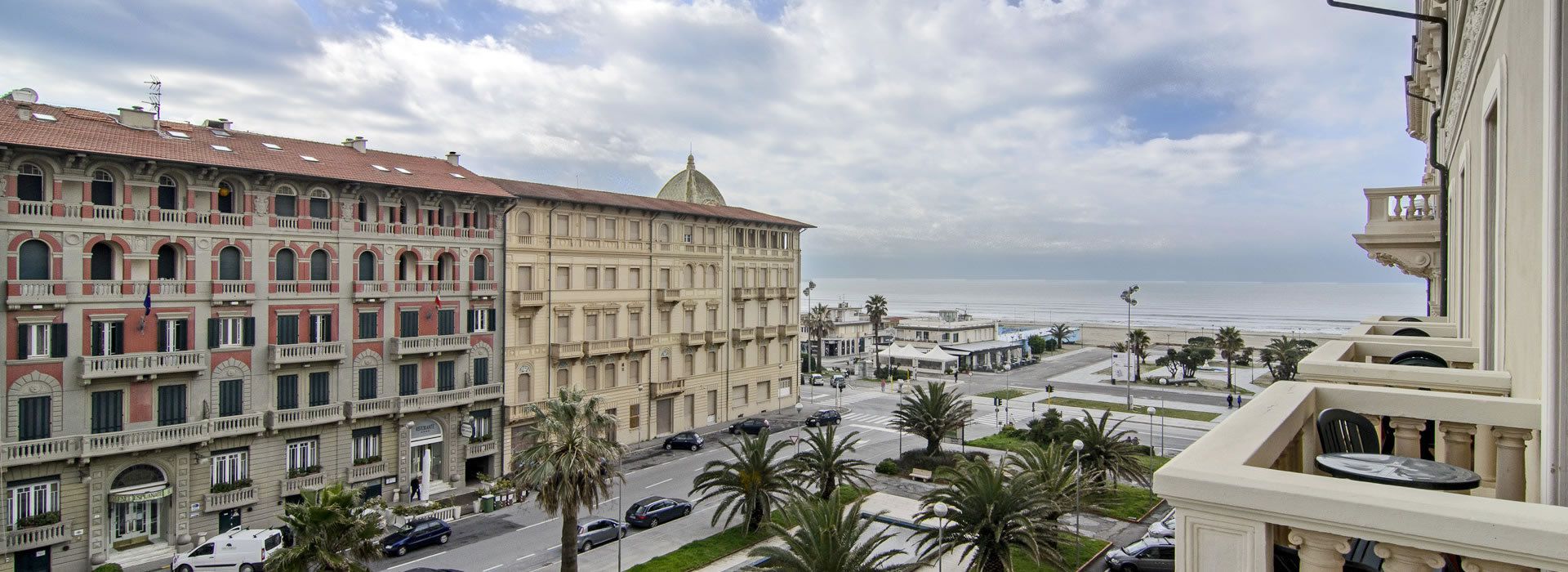
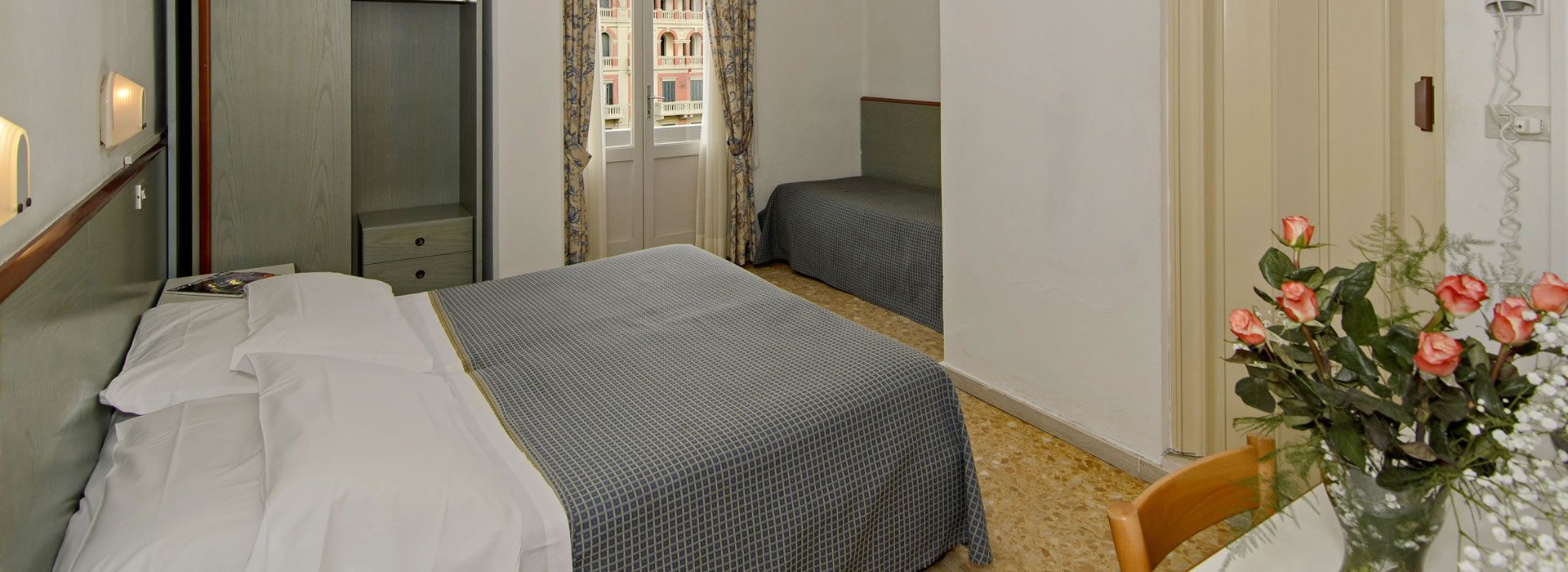
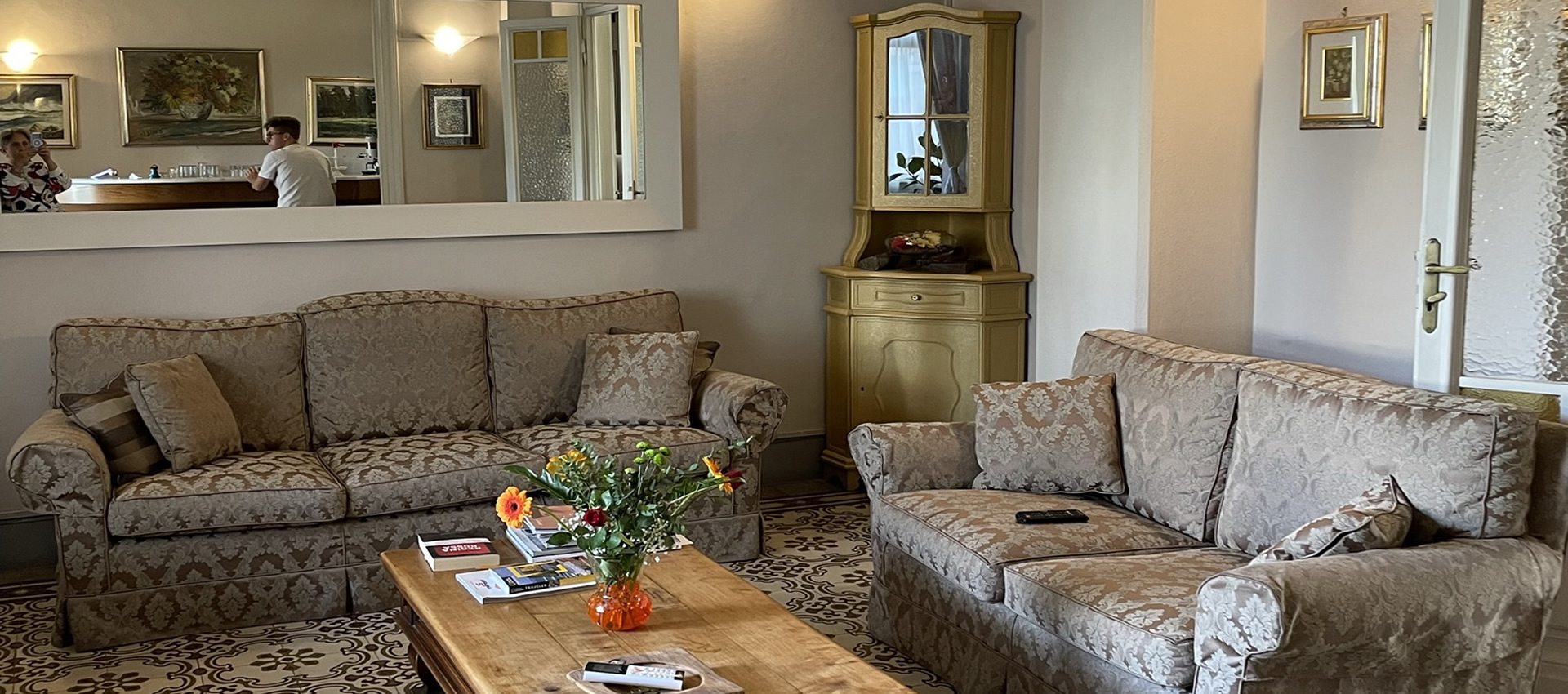
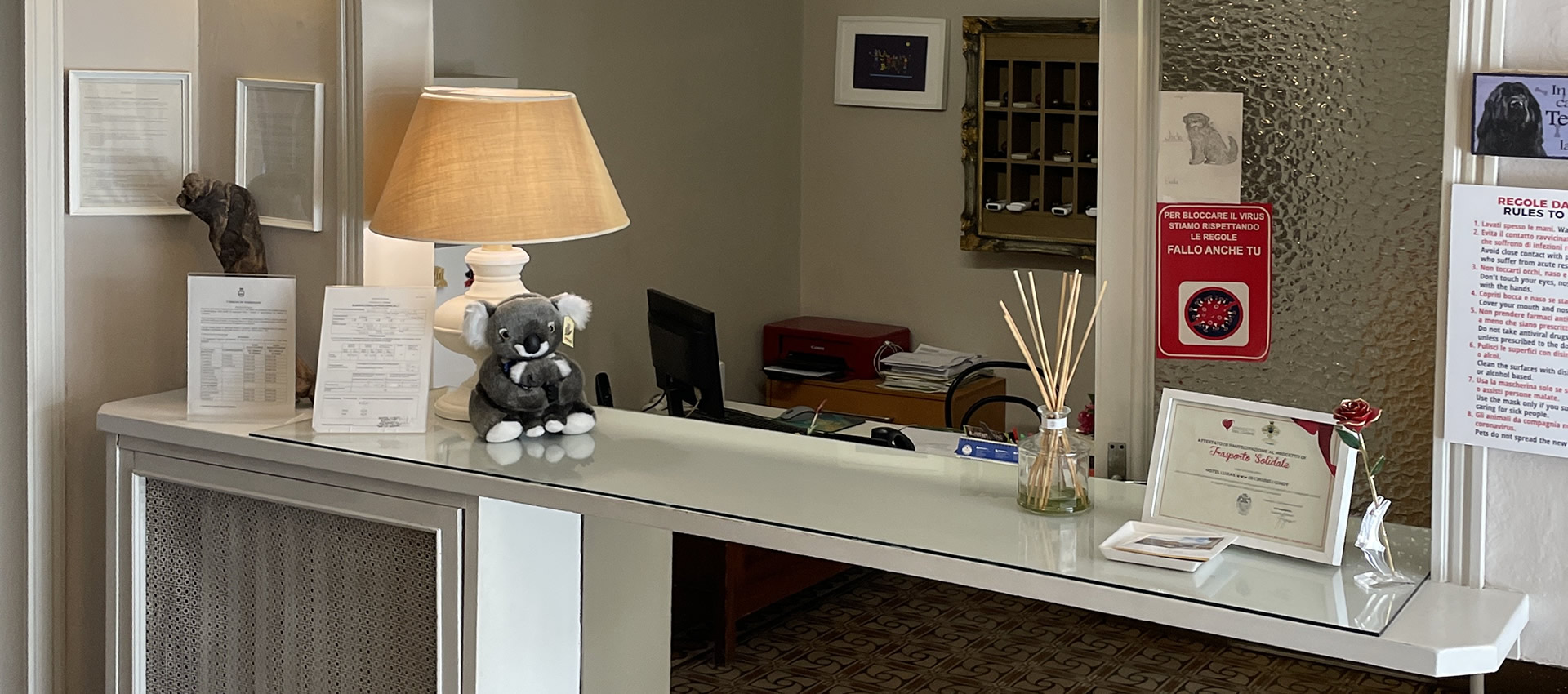
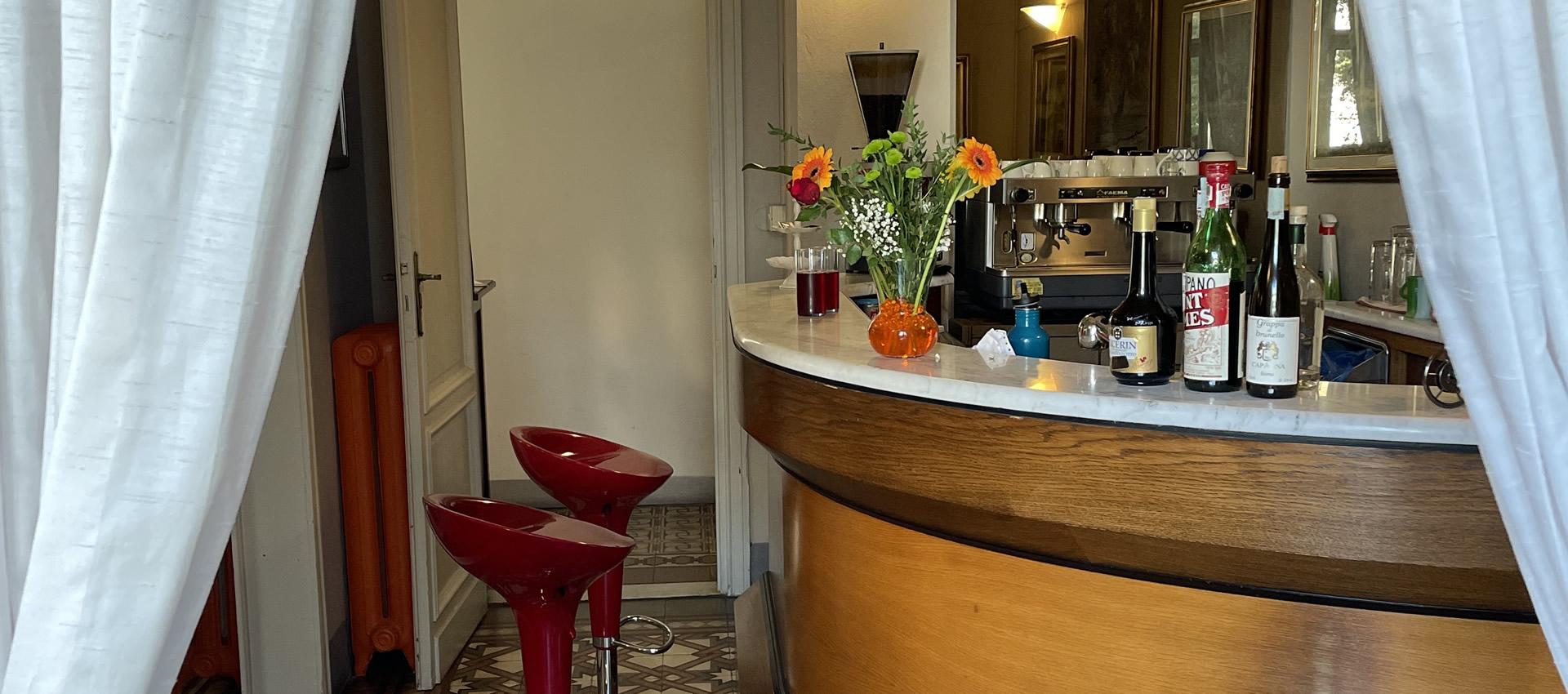
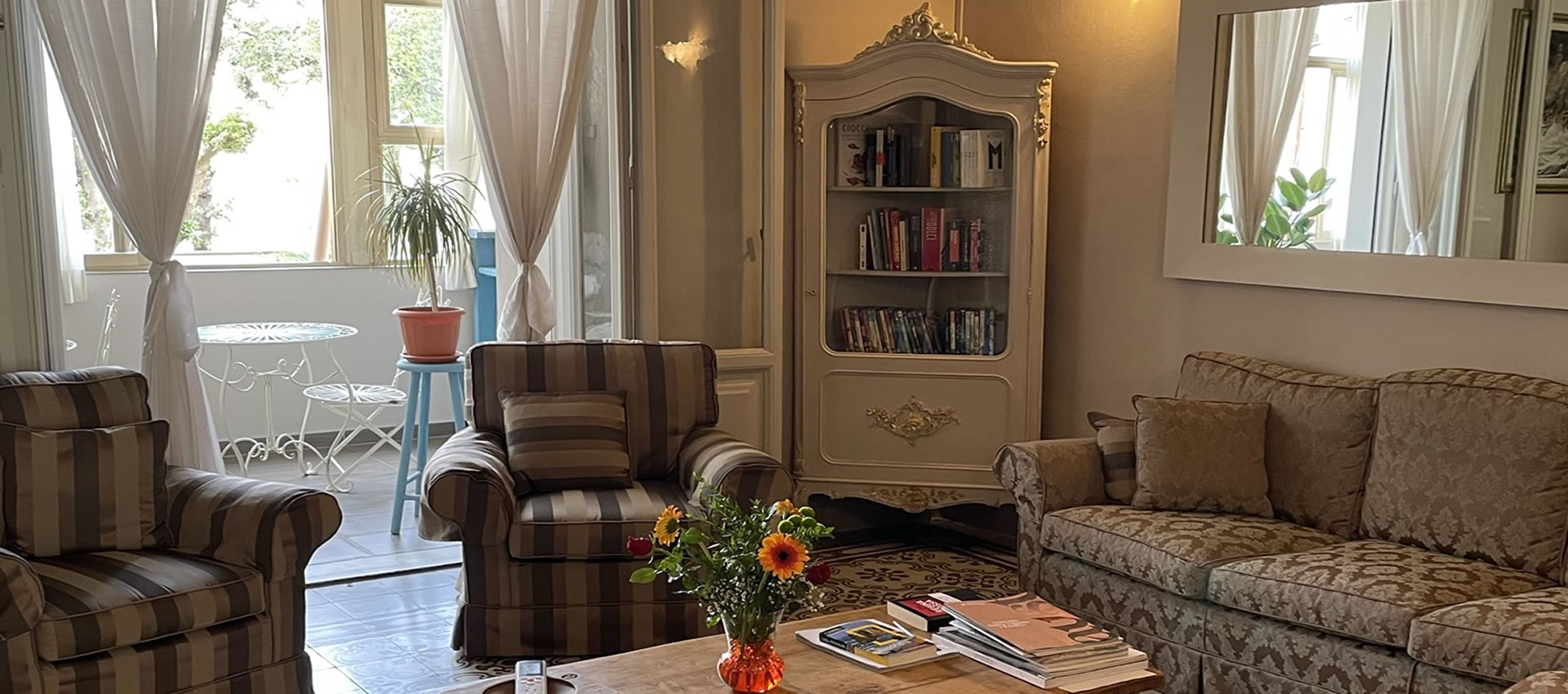
hotel 3 star at Viareggio - The Hotel Lukas is in the centre of Viareggio, in the main and more important plaza in town, at 50 mt from the beach. You may park your car in front of the hotel or in the street near by.





If you're spending your holiday in Viareggio and would like to explore one of Tuscany's most charming historic cities, Lucca is the perfect destination for a day trip. Elegant, compact, and full of history, Lucca captivates visitors with its remarkably preserved Renaissance walls, picturesque squares, medieval churches, and beautiful cobbled streets.
Located just 30 kilometres (19 miles) from Viareggio, Lucca can be reached in less than 30 minutes by car or around 20–30 minutes by train. Its close proximity makes it one of the most popular excursions for visitors staying along the Versilia coast, offering the perfect balance between relaxing by the sea and discovering Tuscany's extraordinary cultural heritage.
The great advantage of Lucca is its size. Most of the city's main attractions are located within its historic walls, making it easy to explore everything on foot in a single day. Every corner reveals a different story, every square has its own atmosphere, and every street invites you to slow down and enjoy the beauty of one of Italy's most authentic historic centres.
In this guide, you'll find a carefully planned one-day itinerary, practical travel advice, and plenty of tips to help you make the most of your visit from Viareggio.
Why Visit Lucca During Your Stay in Viareggio?
Viareggio is best known for its sandy beaches, elegant Liberty-style promenade, and world-famous Carnival. However, its strategic location also makes it an excellent base for exploring some of Tuscany's most beautiful cities, and Lucca is undoubtedly one of the easiest and most rewarding day trips.
Unlike many larger Italian cities, Lucca offers a peaceful and relaxed atmosphere. The historic centre is compact, largely pedestrian-friendly, and free from the crowds often found in more famous destinations. This allows visitors to enjoy the city at a slower pace while fully appreciating its rich architectural and cultural heritage.
As you stroll through Lucca, you'll discover medieval towers, Romanesque churches, elegant piazzas, artisan shops, cafés, and charming alleyways that have preserved their authentic character for centuries.
Whether you're travelling as a couple, with family, or simply enjoy history, photography, architecture, or Italian culture, Lucca is a destination that appeals to every type of traveller.
How to Get from Viareggio to Lucca
One of the reasons why this excursion is so popular is how easy it is to reach Lucca from Viareggio.
Travelling by train is often the most convenient option. Frequent regional services connect Viareggio and Lucca throughout the day, with a journey time of approximately 20 to 30 minutes.
Lucca's railway station is located just outside the Renaissance walls, allowing you to reach the historic centre within a few minutes on foot.
For visitors who prefer to avoid driving or searching for parking, the train is undoubtedly the easiest choice.
Driving from Viareggio to Lucca takes around half an hour, depending on traffic.
Several public car parks are available just outside the city walls, making it simple to leave your car and continue exploring on foot.
Since much of the historic centre is a restricted traffic zone (ZTL), it's advisable to park outside the walls and enjoy the city without worrying about traffic regulations.
For cycling enthusiasts, the route between Viareggio and Lucca offers a memorable experience through the Tuscan countryside.
The journey passes vineyards, olive groves, and small villages, making it especially enjoyable during spring and early autumn when temperatures are pleasant and the landscape is at its most beautiful.
One-Day Walking Itinerary in Lucca
To make the most of your day, it's worth leaving Viareggio early in the morning. Arriving in Lucca by around 9:00 a.m. gives you plenty of time to explore the city at a relaxed pace before the busiest hours.
9:00 a.m. – Walk Along Lucca's Famous Renaissance Walls
The perfect place to begin your visit is Lucca's extraordinary Renaissance Walls.
Stretching for just over four kilometres (2.6 miles), they are considered one of Europe's finest examples of Renaissance military architecture. Unlike many historic city walls, they were never demolished and today have become a beautiful public park enjoyed by both residents and visitors.
Wide tree-lined paths make the walls ideal for walking, jogging, or cycling while offering wonderful panoramic views over church bell towers, medieval rooftops, elegant palaces, and the surrounding Tuscan hills.
The atmosphere is peaceful throughout the year, making this one of the city's most enjoyable experiences regardless of the season.
If you prefer, you can also rent a bicycle and complete the entire circuit in around thirty minutes.
Enter the Historic Centre Through Porta San Pietro
After enjoying part of the walls, enter the city through Porta San Pietro, one of Lucca's most important historic gateways.
Crossing this impressive entrance feels like stepping back in time. Within moments, modern traffic disappears and you're surrounded by narrow stone streets, elegant historic buildings, and the unmistakable atmosphere of a perfectly preserved medieval city.
Take your time and enjoy wandering through the streets—Lucca is a city best experienced slowly.
Piazza Napoleone – Lucca's Elegant Main Square
Your next stop is Piazza Napoleone, one of Lucca's largest and most elegant public squares.
Surrounded by stately historic buildings and shaded by beautiful trees, it provides the perfect setting for a short coffee break while watching local life unfold.
Dominating one side of the square is the magnificent Palazzo Ducale, once the residence of Lucca's rulers and now home to several important public institutions.
Throughout the summer, Piazza Napoleone hosts concerts, cultural events, and open-air performances that bring even more life to the heart of the city.
Via Fillungo – The Heart of Lucca
Leaving Piazza Napoleone behind, continue towards Via Fillungo, Lucca's most famous shopping street and one of its liveliest thoroughfares.
Lined with elegant boutiques, traditional artisan shops, independent bookstores, cafés, delicatessens, and historic buildings, Via Fillungo perfectly captures the spirit of the city.
As you walk along the street, look up from time to time. You'll notice medieval towers incorporated into later buildings, beautifully preserved stone façades, and architectural details that reveal centuries of history.
Although it's Lucca's main shopping street, Via Fillungo is much more than a retail destination. It represents the vibrant heart of the city, where everyday life, local traditions, and centuries of history blend together in a uniquely Tuscan atmosphere.
From here, our itinerary continues to one of Italy's most remarkable squares—a place that surprises almost every visitor at first sight.
Piazza Anfiteatro – Lucca's Most Iconic Square
Just a short walk from Via Fillungo lies one of Lucca's most photographed landmarks: Piazza Anfiteatro. Its perfectly oval shape immediately catches the eye and tells a story that stretches back nearly two thousand years.
The square was built on the remains of an ancient Roman amphitheatre dating from the 1st and 2nd centuries AD. Over the centuries, the amphitheatre gradually lost its original purpose and was transformed into homes, workshops, and shops. Remarkably, the original elliptical outline was preserved, giving the square its unique appearance that still fascinates visitors today.
Piazza Anfiteatro is one of the liveliest places in the city. Outdoor cafés, traditional restaurants, artisan boutiques, and local artists create a welcoming atmosphere where it's easy to sit down, enjoy an espresso or a gelato, and simply watch the world go by.
Take your time to walk around the entire square, entering through one of its four historic gateways. Every angle offers a different perspective and countless opportunities for memorable photographs, especially during the early morning or the golden light of late afternoon.
Torre Guinigi – The Tower with Trees on Top
Only a few minutes away stands one of Lucca's most famous landmarks: Torre Guinigi.
Rising approximately 45 metres (148 feet) above the city, this medieval tower is one of the few remaining examples of the hundreds of towers that once dominated Lucca's skyline. During the Middle Ages, wealthy families competed to build increasingly taller towers as symbols of prestige and influence.
What makes Torre Guinigi truly unique is its rooftop garden. At the very top of the tower, seven ancient holm oak trees grow from a hanging garden, creating one of the most recognisable and unusual silhouettes in Italy.
Reaching the summit requires climbing around 230 steps, but the reward is spectacular. From the top you'll enjoy breathtaking panoramic views over Lucca's terracotta rooftops, church bell towers, Renaissance walls, and the rolling Tuscan countryside beyond.
On particularly clear days, it's even possible to see the majestic Apuan Alps in the distance.
Church of San Michele in Foro
Continue your walk to Piazza San Michele, one of the most elegant squares in Lucca's historic centre.
Here you'll find the magnificent Church of San Michele in Foro, built on the site of the city's ancient Roman forum, which was once the political and commercial heart of Lucca.
Its impressive marble façade is considered one of the finest examples of Lucchese Romanesque architecture. Multiple tiers of columns, arches, sculptures, and intricate carvings create a masterpiece that immediately captures visitors' attention.
At the very top stands a statue of the Archangel Michael defeating the dragon. According to local legend, a small emerald is hidden within the statue. It is said that, under the right sunlight, visitors may catch a mysterious green sparkle reflecting from the gemstone.
Whether or not the legend is true, the church is well worth visiting for both its artistic beauty and its peaceful atmosphere.
Cathedral of San Martino
A pleasant walk through the historic centre brings you to Lucca Cathedral, dedicated to Saint Martin.
The cathedral's elegant façade hints at the artistic treasures waiting inside. For centuries it has been one of the city's most important religious landmarks and remains an essential stop on any visit to Lucca.
One of its greatest treasures is the Volto Santo ("Holy Face"), a revered wooden crucifix surrounded by centuries of history and devotion. According to tradition, it was carved by Nicodemus, who is said to have witnessed the crucifixion of Christ.
The cathedral is also home to the famous funerary monument of Ilaria del Carretto, sculpted by Jacopo della Quercia and widely regarded as one of the masterpieces of early Renaissance sculpture.
Even visitors with little interest in religious art are often impressed by the cathedral's harmony, architecture, and remarkable historical significance.
Lunch in Lucca – Discover Tuscan Flavours
After a morning filled with sightseeing, it's the perfect time to enjoy lunch in one of Lucca's many restaurants or traditional trattorias.
Lucchese cuisine is rooted in local traditions and seasonal ingredients, offering hearty dishes that reflect Tuscany's culinary heritage.
Among the regional specialities are vegetable soups, farro (ancient spelt), handmade pasta, locally produced olive oil, and recipes prepared with fresh ingredients from the surrounding countryside.
In recent years, Lucca has also become increasingly welcoming for vegetarian and vegan travellers. A growing number of restaurants offer creative plant-based menus inspired by traditional Tuscan flavours, making it easy to enjoy an authentic meal regardless of your dietary preferences.
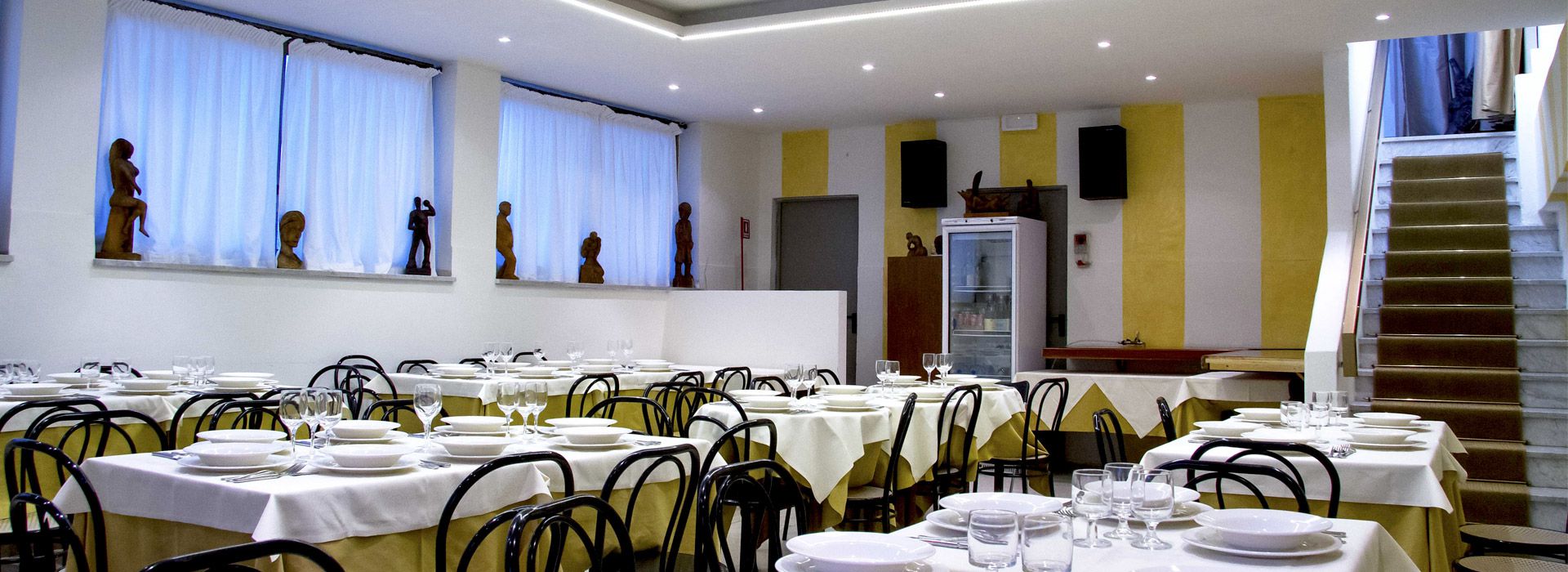
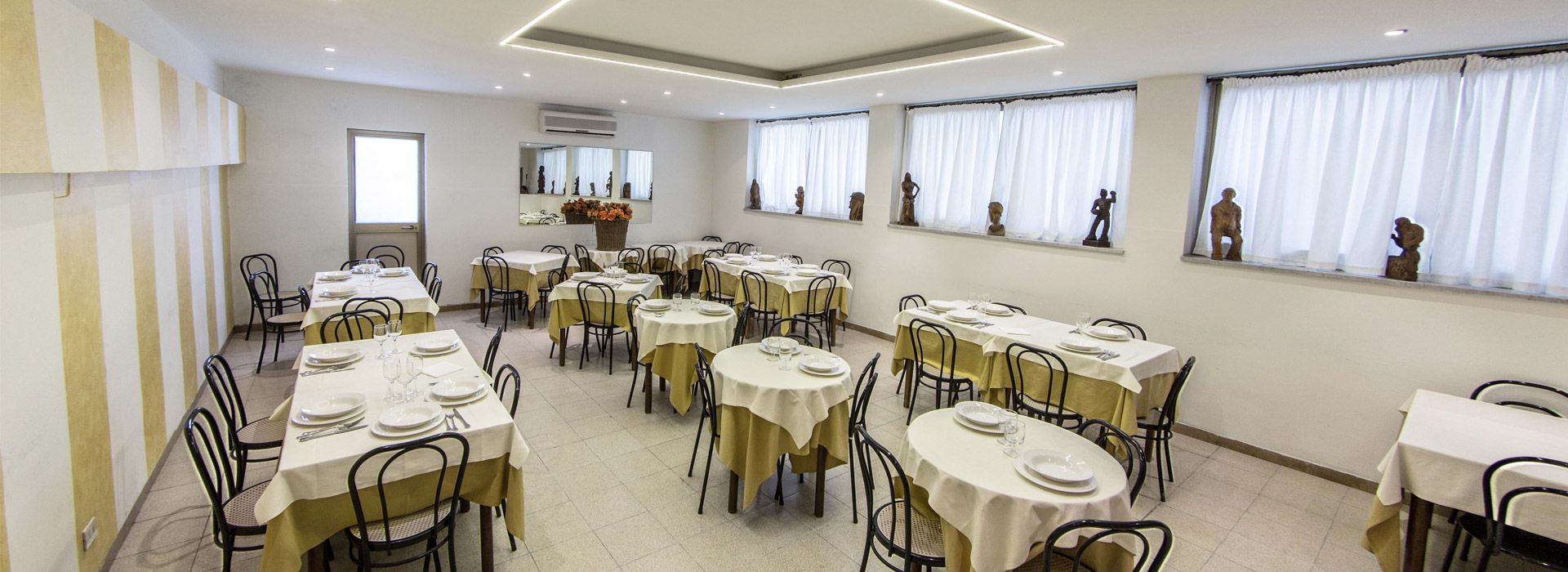
Guests staying at the Lukas Vegetarian & Vegan Hotel will find Lucca an excellent destination for discovering how local cuisine can successfully embrace modern, sustainable dining while respecting regional traditions.
An Afternoon of Shopping and Local Craftsmanship
After lunch, spend some time exploring Lucca's charming shopping streets.
Although Via Fillungo remains the city's main shopping destination, the surrounding side streets are equally rewarding. Here you'll discover independent boutiques, artisan workshops, bookshops, local food stores, and family-run businesses that have been part of Lucca's history for generations.
Popular souvenirs include extra virgin olive oil, Tuscan wines, locally produced honey, handcrafted ceramics, leather goods, and gourmet delicacies that make wonderful gifts to take home.
One of the greatest pleasures of visiting Lucca is simply wandering without a fixed destination. Around every corner you may discover a hidden courtyard, a quiet church, a historic palace, or a picturesque alley that rarely appears in guidebooks.
Relax Once More on the Renaissance Walls
Before leaving Lucca, consider returning to the Renaissance Walls for one last walk.
The atmosphere changes noticeably in the afternoon as locals head out for a stroll, jog beneath the trees, read on the benches, or simply enjoy the peaceful surroundings.
Sitting on the walls while overlooking the rooftops of the historic centre is the perfect way to appreciate why this remarkable monument remains such an important part of daily life in Lucca.
More than just a historic landmark, the walls are the city's green heart—a place where history and modern life coexist beautifully.
If You Have Extra Time
If your schedule allows, Lucca offers several additional attractions worth exploring.
Music lovers should visit the birthplace of the renowned composer Giacomo Puccini, now a museum displaying personal belongings, manuscripts, photographs, and memorabilia celebrating his extraordinary career.
Nature enthusiasts may prefer the Botanical Garden of Lucca, a peaceful oasis established in the 19th century featuring centuries-old trees, historic greenhouses, and a wide variety of plant species.
For those wishing to experience a quieter side of the city, a walk along the Serchio River or through the neighbourhoods just beyond the city walls offers a different perspective on Lucca's authentic local character.
Where to Park in Lucca
If you're driving from Viareggio, you'll find several convenient public car parks located just outside the Renaissance Walls.
Parking outside the historic centre is the easiest solution, allowing you to enter the old town on foot within just a few minutes while avoiding the city's Limited Traffic Zone (ZTL).
Arriving early in the morning generally makes finding a parking space much easier, especially during weekends, public holidays, and major events.
The Best Time to Visit Lucca
One of Lucca's greatest strengths is that it's a wonderful destination all year round. Every season offers a different atmosphere, allowing visitors to experience the city from a unique perspective.
From March to May, Lucca comes alive with blooming flowers, mild temperatures, and longer days. The tree-lined Renaissance Walls become one of the city's most beautiful places for a leisurely walk or bike ride, while outdoor cafés begin to fill with locals and visitors enjoying the sunshine.
Spring is often considered the ideal season for sightseeing, thanks to pleasant weather and fewer crowds compared to the peak summer months.
Summer is perfect for travellers staying in Viareggio who want to combine relaxing beach days with cultural excursions inland.
Although temperatures can be high during the afternoon, Lucca's narrow streets provide plenty of shade, and many visitors choose to explore churches, museums, and cafés during the warmest hours before enjoying the city in the evening.
One of the highlights of the season is the internationally renowned Lucca Summer Festival, which attracts some of the world's biggest music artists and thousands of visitors every year. If you're planning a visit during this period, booking accommodation and transport in advance is highly recommended.
Autumn is another wonderful time to discover Lucca. Comfortable temperatures, colourful foliage, and a more relaxed atmosphere make it especially appealing for photographers and cultural travellers.
Between late October and early November, the city hosts Lucca Comics & Games, one of Europe's largest festivals dedicated to comics, gaming, fantasy, and pop culture. During the event, the entire historic centre transforms into a vibrant celebration filled with exhibitions, performances, and visitors from around the world.
Winter offers a quieter and more intimate experience. Christmas lights decorate the historic streets, seasonal markets create a festive atmosphere, and the smaller number of tourists allows you to enjoy Lucca's museums and monuments at a more relaxed pace.
Why Stay in Viareggio When Visiting Lucca?
Choosing Viareggio as your holiday base allows you to enjoy two completely different sides of Tuscany.
During the day, you can immerse yourself in Lucca's centuries of history, admire Renaissance architecture, stroll through medieval streets, and experience authentic Tuscan culture. In the evening, you can return to Viareggio to enjoy the sea breeze, elegant promenade, and relaxed coastal atmosphere.
Thanks to excellent road and rail connections, travelling between the two cities takes less than half an hour, making day trips simple and stress-free.
For travellers seeking a holiday focused on wellbeing, sustainability, and delicious plant-based cuisine, the Lukas Vegetarian & Vegan Hotelprovides an excellent base for exploring not only Lucca, but also Pisa, Pietrasanta, Forte dei Marmi, the Versilia coastline, and many other beautiful destinations across northern Tuscany.
After a day of sightseeing, returning to Viareggio offers the perfect opportunity to unwind by the sea before planning your next adventure.
A day trip from Viareggio to Lucca is one of the most rewarding experiences you can enjoy during a holiday in Tuscany.
From its impressive Renaissance Walls and elegant piazzas to medieval towers, Romanesque churches, and charming shopping streets, Lucca offers the perfect combination of history, culture, architecture, and authentic Italian lifestyle.
Whether you're passionate about photography, history, food, or simply discovering beautiful places at a relaxed pace, Lucca has something special to offer every visitor.
Take your time, wander beyond the main attractions whenever possible, and allow yourself to discover the hidden corners that make this remarkable city so unforgettable.
If you're staying in Viareggio, don't miss the opportunity to spend a day exploring one of Tuscany's best-preserved historic gems—you'll almost certainly leave planning your next visit.
Frequently Asked Questions About Visiting Lucca in One Day
Is one day enough to visit Lucca?
Yes. One full day is enough to explore Lucca's main attractions, including the Renaissance Walls, Piazza Anfiteatro, Torre Guinigi, the Cathedral, and the city's charming shopping streets.
Can you explore Lucca on foot?
Absolutely. Lucca's historic centre is compact, mostly pedestrianised, and very easy to explore without a car.
How far is Lucca from Viareggio?
Lucca is approximately 30 kilometres (19 miles) from Viareggio. The journey takes around 30 minutes by car or 20–30 minutes by train.
Is the train from Viareggio to Lucca a good option?
Yes. The train is fast, convenient, and drops passengers just a few minutes' walk from the historic centre.
What is the best time of year to visit Lucca?
Spring and autumn generally offer the most pleasant weather, but Lucca is an enjoyable destination throughout the year.
Are Lucca's Renaissance Walls free to visit?
Yes. Access to the city walls is completely free and available year-round.
How long does it take to walk around Lucca's Walls?
The full circuit is just over four kilometres (2.6 miles) and takes approximately one hour on foot or around thirty minutes by bicycle.
Is Torre Guinigi worth climbing?
Definitely. The panoramic views from the rooftop garden are among the finest in Lucca.
Why is Piazza Anfiteatro oval?
Because it was built directly on the foundations of an ancient Roman amphitheatre, preserving its original elliptical shape.
What can you see in Lucca for free?
Many of Lucca's highlights are free to enjoy, including the Renaissance Walls, Piazza Anfiteatro, Piazza Napoleone, Piazza San Michele, Via Fillungo, and the city's beautiful streets and squares.
Is Lucca suitable for families?
Yes. Its flat streets, traffic-free centre, and spacious city walls make it an excellent destination for families with children.
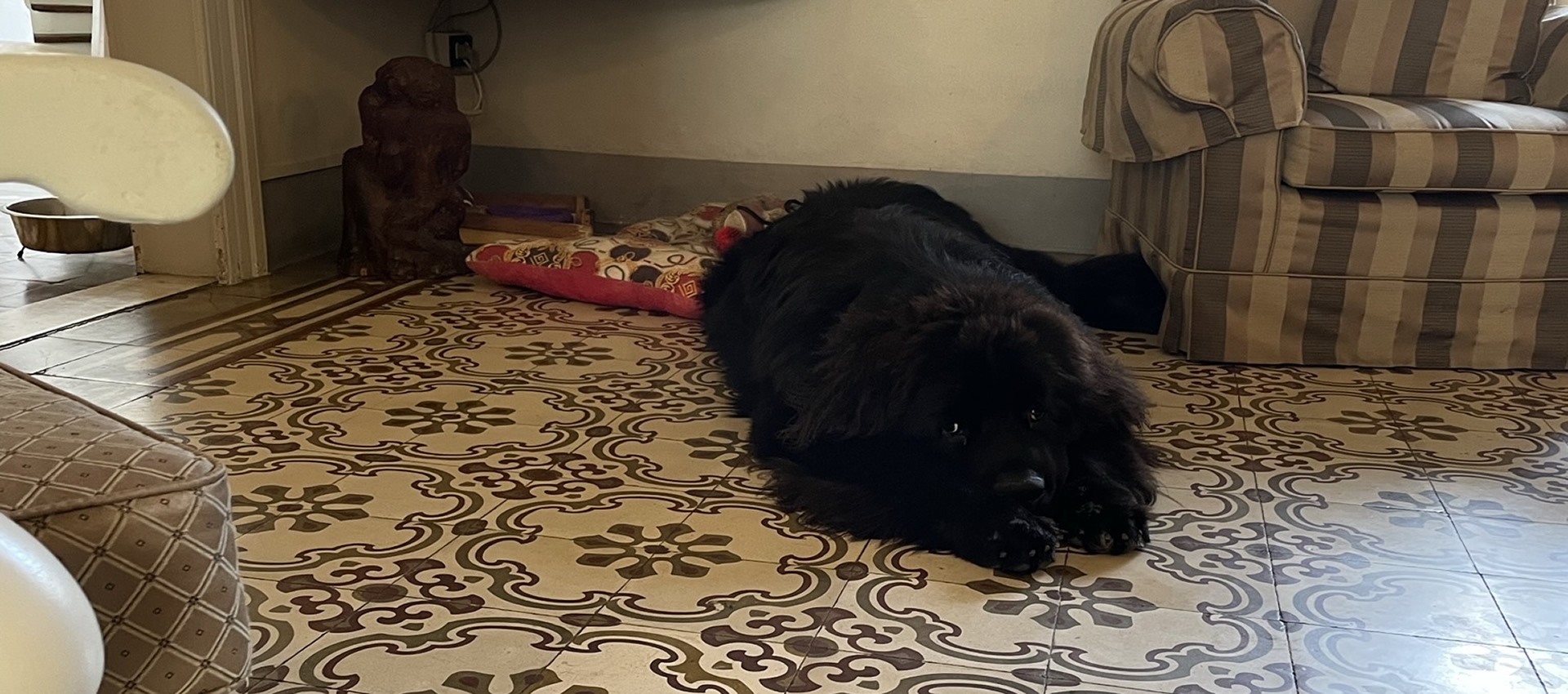
Can you visit Lucca with a dog?
Yes. Dogs are welcome in most outdoor areas, including the city walls, provided local regulations are respected.
Where should you park in Lucca?
The best option is to use one of the public car parks located just outside the city walls and continue on foot into the historic centre.
How many medieval towers remain in Lucca?
Although hundreds once stood throughout the city, several impressive medieval towers still survive today, with Torre Guinigi being the most famous.
What is Lucca's main shopping street?
Via Fillungo is the city's principal shopping street, offering a mix of boutiques, artisan shops, cafés, and historic buildings.
Is Lucca a romantic destination?
Yes. Its peaceful atmosphere, elegant piazzas, and scenic Renaissance Walls make it a wonderful destination for couples.
Can you cycle around Lucca?
Yes. The Renaissance Walls are especially popular with cyclists, and bicycles can also be used in many parts of the historic centre.
What are Lucca's most famous annual events?
The city is internationally known for the Lucca Summer Festival and Lucca Comics & Games, both attracting visitors from around the world.
Can you visit other Tuscan destinations from Lucca?
Yes. Lucca is ideally located for exploring Pisa, Viareggio, the Versilia coast, Garfagnana, the Lucca Hills, and many other beautiful parts of Tuscany.
Why choose Viareggio as a base for visiting Lucca?
Viareggio offers the perfect combination of beach relaxation and cultural sightseeing. Its excellent transport connections make Lucca an easy and enjoyable day trip, allowing you to experience both the Tuscan coast and one of Italy's most beautiful historic cities during the same holiday.
For more information and reservation: info@hotellukas.it
READ ALSO: Cosa vedere a Viareggio: guida completa per scoprire la perla della Versilia
Vacanze con il cane a Viareggio: mare, relax e spiaggia pet friendly
Torna alla lista


Hotel Lukas ***
Piazza G. Puccini, 5 - 55049 Viareggio (LU)
P.Iva 02687230462 - CIN: IT046033A18EXUSSYQ
Tel +39 0584 564691 - WhatsApp +39 0584 564691 - Fax +39 0584 409340
Privacy policy - Cookie Policy - Impostazioni di tracciamento